
What Is Rosacea and How Do I Treat It?
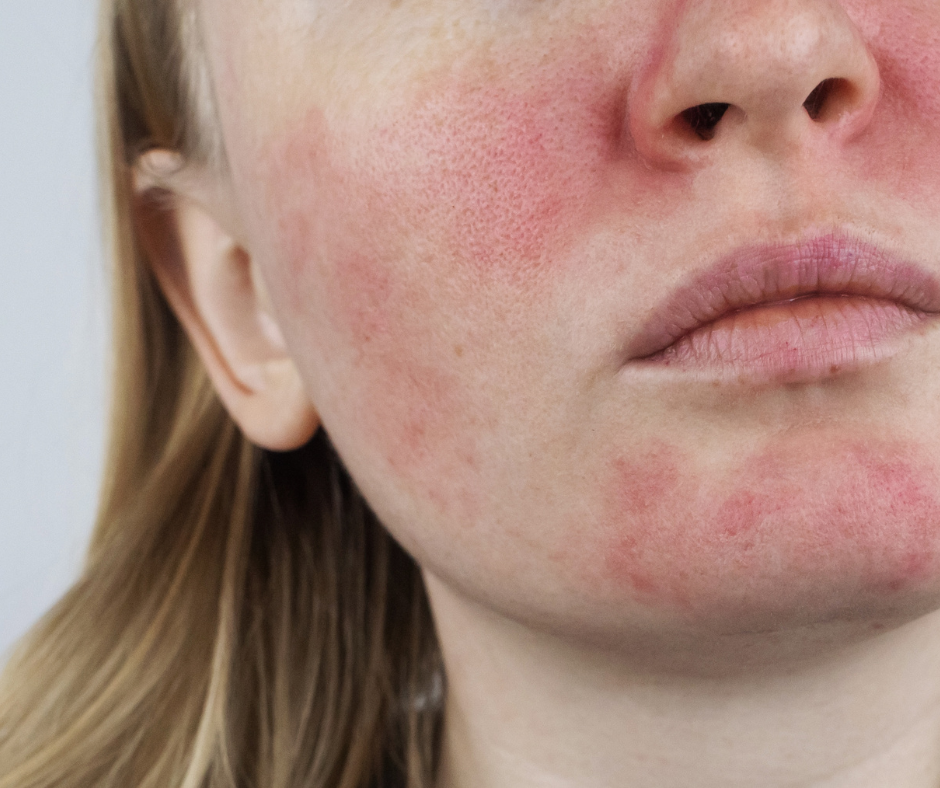
If you experience ongoing facial redness, flushing, sensitivity or small breakout-like bumps that never seem to fully go away, rosacea could be the reason.
Rosacea is a very common skin condition that affects people differently. For some, it’s mild redness across the cheeks, while for others it can involve visible capillaries, inflammation, sensitivity, or acne-like breakouts that flare up unexpectedly.
Although rosacea can’t be permanently cured, the right treatments and skincare can make a huge difference in keeping it under control and improving overall skin health.
What Is Rosacea?
Rosacea is a chronic inflammatory skin condition that mainly affects the central areas of the face, including the cheeks, nose, chin and forehead.
It often appears as:
● Persistent redness
● Flushing easily
● Sensitive or reactive skin
● Visible blood vessels
● Dry or irritated skin
● Small inflamed bumps or pustules
Many people mistake rosacea for acne or simply “sensitive skin,” especially in the early stages.
What Causes Rosacea?
There isn’t one exact cause of rosacea, but there are several factors that are believed to contribute to it.
These may include genetics, inflammation, environmental factors, sun exposure, and an impaired skin barrier. In many cases, rosacea-prone skin is more reactive and easily triggered by heat, certain skincare products, stress, or lifestyle habits.
Everyone’s skin responds differently, which is why treatment should always be personalised.
What Can Trigger Rosacea?
One of the most frustrating parts of rosacea is that flare-ups can happen suddenly, and triggers are different for everyone.
Some of the most common triggers include:
● Sun exposure
● Hot weather
● Spicy foods
● Alcohol
● Stress
● Intense exercise
● Saunas or hot showers
● Harsh skincare products
● Over-exfoliation
Learning your triggers is often an important step in managing rosacea long term.
Is Rosacea the Same as Acne?
Not exactly. While rosacea can sometimes look like acne, they’re actually very different skin conditions.
Acne is usually linked to oil production and clogged pores, whereas rosacea is more related to inflammation and blood vessels within the skin.
Rosacea-prone skin is also typically much more sensitive, which means certain acne products can sometimes make symptoms worse rather than better.
What Is the Best Treatment for Rosacea?
There’s no one-size-fits-all approach when it comes to treating rosacea. The best results usually come from combining professional treatments with supportive skincare and lifestyle adjustments.
Depending on your skin, treatment may involve:
● Laser or light-based treatments
● Barrier-repair skincare
● Anti-inflammatory ingredients
● Redness-reducing treatments
● Trigger management
● Consistent daily SPF
The goal is usually to calm inflammation, reduce redness, and strengthen the skin over time.
Can Laser Treatments Help Rosacea?
Yes: laser and light-based treatments are often one of the most effective options for reducing redness and visible capillaries associated with rosacea.
These treatments can help to:
● Reduce background redness
● Calm inflammation
● Improve visible vessels
● Strengthen the skin barrier
● Reduce flare-ups over time
Treatment recommendations will vary depending on the severity of redness, sensitivity levels, and your overall skin condition.
What Skincare Should You Avoid with Rosacea?
Rosacea-prone skin usually doesn’t respond well to overly aggressive skincare.
Products or ingredients that may trigger irritation can include:
● Harsh scrubs
● Strong exfoliating acids
● Alcohol-based products
● Fragrance-heavy skincare
● Overuse of active ingredients
● Strong retinols without guidance
Keeping the routine simple and supportive is often more beneficial than using too many active products at once.
What Ingredients Are Good for Rosacea?
Calming and barrier-supportive ingredients are usually best for rosacea-prone skin.
Some commonly recommended ingredients include:
● Niacinamide
● Ceramides
● Hyaluronic acid
● Panthenol
● Azelaic acid
The right routine will depend on your skin type, triggers, and sensitivity levels.
Can Rosacea Go Away?
Rosacea is considered a long-term skin condition, so while it may not fully disappear forever, symptoms can usually be managed very successfully.
With consistent treatments, supportive skincare, and avoiding triggers where possible, many people notice a significant improvement in redness, sensitivity, and flare-ups.
When Should You Seek Professional Help for Rosacea?
If your redness is persistent, becoming more noticeable, uncomfortable, or affecting your confidence, it’s worth having your skin professionally assessed.
Treating rosacea earlier can help minimise ongoing inflammation and prevent symptoms from progressively worsening over time.
Rosacea Treatments at Studio Aesthetica
At Studio Aesthetica, we take a personalised approach to treating rosacea and sensitive skin conditions. Every treatment plan is tailored to the individual, considering skin sensitivity, redness levels, inflammation, and overall skin health.
Our goal is not just to temporarily calm the skin, but to support long-term skin strength and healthier skin overall.
If you’re struggling with redness, flushing, sensitivity, or rosacea flare-ups, our team can help guide you toward the most suitable treatment options for your skin.